
Table of Contents
- How Often to Replace Rental Property Gas Appliances: What You Need to Know
- How Long Does a Gas Boiler Last
- Factors That Affect Gas Appliance Lifespan
- Signs a Boiler Needs Replacing
- Repair or Replace a Gas Boiler: Making the Right Decision
- Annual Gas Safety Check for Landlords
- Maintenance to Extend Gas Appliance Life
- Frequently Asked Questions
Last Updated: October 5, 2026
How Often to Replace Rental Property Gas Appliances: What You Need to Know
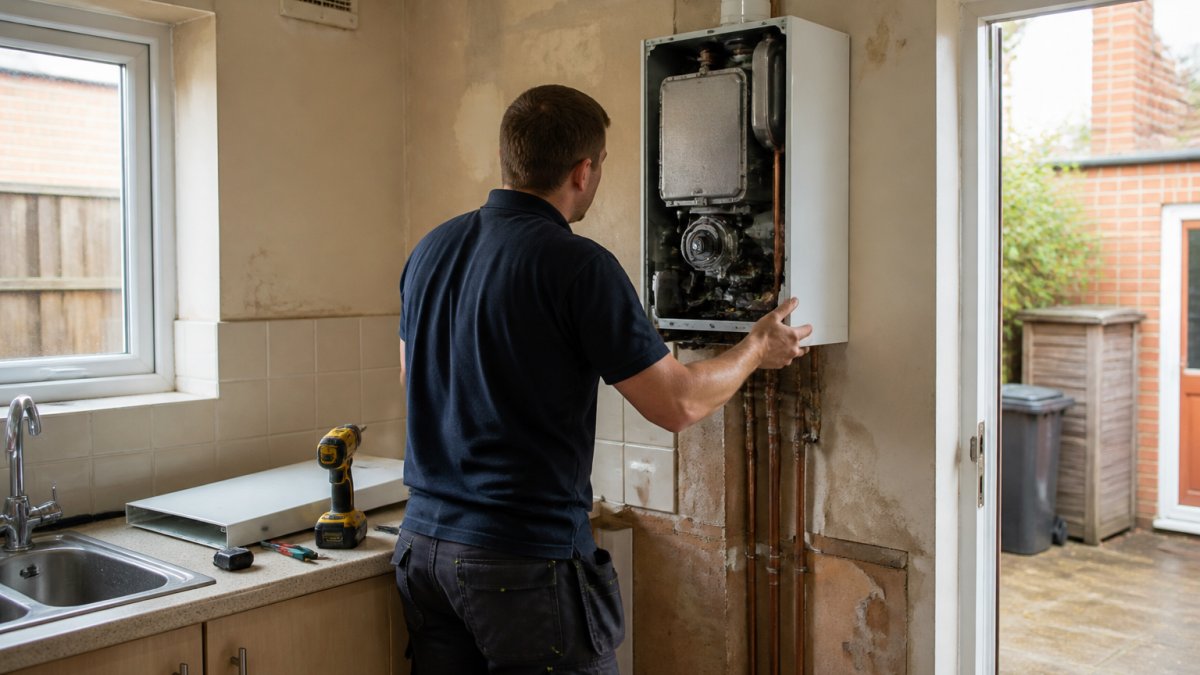
Understanding when to replace rental property gas appliances is crucial for landlords managing properties safely and cost-effectively. Gas boilers, cookers, and water heaters don’t last forever, and knowing their typical lifespan helps you plan maintenance budgets and avoid emergency breakdowns. We help landlords across the region understand their heating systems and plan replacements before problems arise.
The question isn’t just about when appliances fail, it’s about balancing safety, efficiency, and expense. A boiler that’s limping along might still heat your property, but it’s working harder, costing more to run, and potentially putting tenants at risk. Regular servicing extends appliance life, but eventually, replacement becomes the smarter choice.
Below, we’ll walk you through typical appliance lifespans, the factors that affect how long they last, and how to decide whether to repair or replace.
How Long Does a Gas Boiler Last
A gas boiler typically lasts between 10 and 15 years with proper maintenance. Some well-maintained boilers reach 20 years, but this is less common. Most landlords find that boilers installed in the early 2010s are now approaching the end of their serviceable life.
Several factors influence how long your specific boiler will last:
- Installation quality: Poorly fitted boilers fail sooner
- Water hardness: Hard water causes scale build-up and shortens lifespan
- Annual servicing: Serviced boilers last significantly longer than neglected ones
- Usage patterns: Boilers in properties with high heating demand wear faster
- Boiler type: Combi boilers and system boilers have different lifespans
A boiler that’s 12 to 15 years old is approaching the end of its reliable working life. Even if it still functions, repair costs climb steeply at this age. Considering replacement once your boiler reaches 12 years is often recommended, especially if repairs are becoming frequent.
Factors That Affect Gas Appliance Lifespan
Several controllable and uncontrollable factors determine how long your rental property gas appliances will perform reliably.
Water quality is one of the biggest culprits. Hard water, common across much of the region, deposits minerals inside boilers and pipes. Over time, this scale build-up forces the boiler to work harder, reducing efficiency and shortening lifespan. Softening your water or installing a scale inhibitor can extend boiler life by several years.
Maintenance history makes an enormous difference. A boiler serviced annually will outlast an identical model that’s never been serviced. Regular servicing catches small problems before they become expensive failures. It’s also a legal requirement for landlords, you must have a Gas Safe registered engineer service the boiler at least once per year (Private renting: Your landlord’s safety responsibilities).
Installation quality affects longevity from day one. A boiler installed correctly by a qualified engineer will perform better and last longer than one fitted hastily or by someone without proper training. When you eventually replace your appliance, choosing a reputable installer matters.
Usage intensity plays a role too. A boiler in a property where tenants keep heating on constantly will wear faster than one in a property with moderate usage. You can’t control tenant behaviour, but understanding this helps explain why identical boilers in different properties have different lifespans.
Appliance type matters as well. Combi boilers are popular because they’re compact and efficient, but they can be more complex to repair. System boilers and conventional boilers sometimes have longer lifespans, though this varies by model and manufacturer.
Signs a Boiler Needs Replacing
Knowing when to replace your boiler prevents emergency breakdowns and keeps tenants safe. Watch for these warning signs:
Frequent repairs. If your boiler needs fixing more than once per year, replacement is likely cheaper than continued repairs. Each repair costs money and disrupts your tenant’s heating.
Age plus problems. A boiler over 12 years old that develops any fault is usually worth replacing rather than repairing. Parts become harder to source, and repair costs spike.
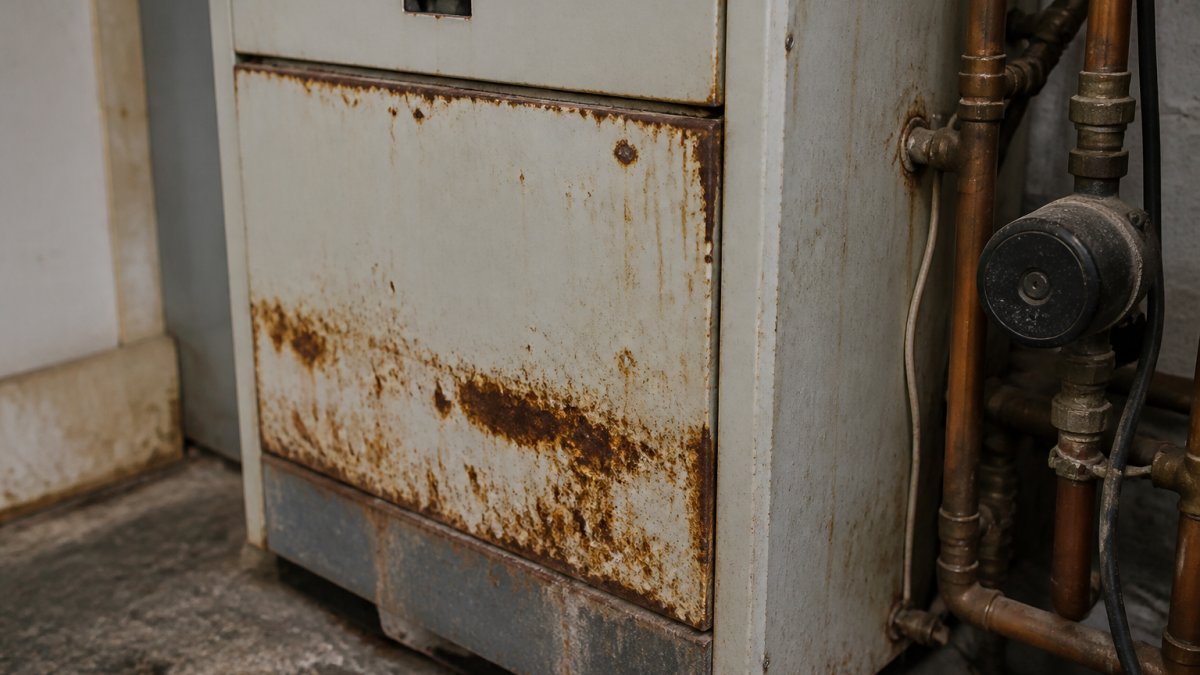
Visible rust or corrosion. Rust on the boiler casing or pipework indicates moisture damage. This signals the boiler is deteriorating internally as well as externally.
Leaks. Water pooling around the boiler or dripping from pipes means internal seals are failing. Leaks worsen quickly and can cause water damage to your property.
Strange noises. Banging, whistling, or grinding sounds suggest internal components are failing. These noises often precede complete breakdowns.
Pilot light issues. A pilot light that won’t stay lit or keeps going out indicates ignition problems. This is a safety concern and usually requires replacement.
Rising heating bills. An ageing boiler loses efficiency. If your tenant’s bills climb sharply or you notice the boiler cycling on and off more frequently, replacement will reduce running costs.
Failed annual safety check. If a Gas Safe engineer identifies a fault during the annual service that can’t be safely repaired, the boiler must be replaced.
Never ignore a boiler fault. A faulty boiler risks carbon monoxide leaks, which are dangerous and potentially fatal. If your engineer identifies any safety issue, treat replacement as urgent.
Repair or Replace a Gas Boiler: Making the Right Decision
The repair-versus-replace decision comes down to age, repair cost, and how often problems occur.
Replace if:
- The boiler is over 12 years old and needs a repair
- Annual repairs exceed £500
- The boiler fails the annual Gas Safe check
- Running costs have increased noticeably
- The boiler is no longer under manufacturer warranty
Repair if:
- The boiler is under 10 years old
- The repair costs less than £300
- This is the first fault in several years
- The boiler passed the most recent annual safety check
A useful rule: if the repair cost is more than half the price of a new boiler, replacement usually makes financial sense. New boilers are more efficient, require fewer repairs, and come with warranties. Older boilers consume more gas and cost more to run.
We can assess your boiler and give you clear advice on whether repair or replacement makes sense for your situation. We provide free quotes so you can compare costs before deciding.
Request a quote before deciding. The cost difference between repair and replacement might be smaller than you think, especially if the repair is complex. A professional assessment removes the guesswork.
Annual Gas Safety Check for Landlords
Landlords have a legal obligation to arrange an annual gas safety check for every rental property. This check must be carried out by a Gas Safe registered engineer and covers all gas appliances, including boilers, cookers, and water heaters.
The engineer inspects:
- Boiler condition and operation
- Gas pipe condition and connections
- Ventilation and flue safety
- Carbon monoxide detector function (if present)
- All other gas appliances in the property
You must provide tenants with a copy of the safety certificate within 28 days of the check (Private renting: Your landlord’s safety responsibilities). Keep your own records for at least two years. If the engineer identifies a fault, you’re legally required to have it fixed before the property can remain occupied.
This annual check is your early warning system for problems. An engineer might spot a developing issue that hasn’t yet caused a breakdown. Catching problems early often means cheaper repairs and longer appliance life.
Landlords managing multiple properties should schedule all annual checks in the same month. This makes it easier to track deadlines and ensures no property is missed.
Maintenance to Extend Gas Appliance Life
Regular maintenance is the single most cost-effective way to extend the life of your rental property gas appliances.
Annual servicing is non-negotiable. Have a Gas Safe registered engineer service the boiler every year. Servicing clears debris, checks safety, and catches wear before it becomes a failure.
Bleed radiators annually. Air trapped in the system makes the boiler work harder. Bleeding radiators improves heat distribution and reduces strain on the boiler.
Check for leaks. Look under the boiler and around pipework regularly. Small leaks worsen quickly. Early detection prevents water damage and expensive repairs.
Monitor pressure. Most modern boilers have a pressure gauge. If pressure drops repeatedly, there’s a leak somewhere. Have an engineer investigate.
Keep the boiler accessible. Don’t store items around or in front of the boiler. Poor ventilation causes overheating and shortens lifespan.
Insulate pipes. Pipe insulation protects against frost damage in winter and reduces heat loss. This is especially important in unheated spaces like lofts and basements.
Install a scale inhibitor if you have hard water. This device reduces mineral build-up inside the boiler and extends its life significantly.
Replace the boiler filter as recommended by the manufacturer. A clogged filter forces the boiler to work harder.
Maintenance costs far less than emergency repairs or replacement. A £150 annual service prevents thousands of pounds in unexpected breakdowns.
Keeping your rental property’s gas appliances in good working order protects your tenants and your investment. Most boilers last 10 to 15 years, but proper maintenance extends this significantly. When your boiler approaches 12 years old or develops frequent faults, replacement becomes the smarter choice. Our Gas Safe registered engineers can assess your boiler, advise whether repair or replacement makes sense, and handle installation of new, efficient systems. Contact us for a free quote and professional guidance on your property’s heating needs.
Frequently Asked Questions
How often should a landlord replace a gas boiler?
Most gas boilers last 10-15 years with proper maintenance. However, replacement depends on condition, not just age. If your boiler is approaching 12-15 years and showing signs of decline, frequent breakdowns, reduced efficiency, or poor heating, replacement becomes more practical than ongoing repairs. Landlords should arrange annual gas safety checks to monitor boiler condition and catch issues early, helping decide whether to repair or replace.
What is a Gas Safety Certificate and why do landlords need one?
A Gas Safety Certificate (CP12) is a legal requirement under the Gas Safety (Installation and Use) Regulations 1998. Landlords must arrange an annual gas safety check by a Gas Safe registered engineer, who inspects all gas appliances and fittings. The certificate confirms appliances are safe to use. Failure to provide one is a criminal offence and can result in fines or prosecution. This annual check also identifies when appliances are approaching the end of their safe working life.
Is it worth repairing an old boiler, or should I replace it?
If your boiler is under 10 years old and the repair cost is less than one-third of a replacement, repair usually makes sense. For boilers over 12 years, frequent breakdowns, or repair costs exceeding one-third of replacement cost, replacement is typically more economical. Older boilers also lose efficiency, increasing energy bills. A Gas Safe registered engineer can assess your specific boiler and advise whether repair or replacement is the better investment.
What other gas appliances in rental properties need replacing?
Beyond boilers, gas cookers and water heaters also have lifespans. Gas cookers typically last 10-15 years, and gas water heaters 8-12 years. All gas appliances require annual safety checks as part of your Gas Safety Certificate. When any appliance shows signs of wear, malfunction, or fails safety inspection, replacement becomes necessary to meet legal obligations and ensure tenant safety.