
Table of Contents
- Why Preparing Your Rental Property for Gas Safety Inspections Matters
- What Happens During a Landlord Gas Safety Check
- How Long Does a Landlord Gas Safety Check Take
- Essential Pre-Inspection Checks and Preparation Steps
- Tenant Access for Gas Safety Inspections
- Landlord Gas Safety Certificate Requirements
- Common Issues Found During Gas Safety Inspections
- Frequently Asked Questions
Last Updated: September 26, 2026
Why Preparing Your Rental Property for Gas Safety Inspections Matters
Preparing rental properties for annual gas inspections isn’t optional, it’s a legal requirement that protects your tenants and your business. Gas safety checks are mandatory under UK law, and getting them right means avoiding penalties, maintaining insurance cover, and ensuring your property meets current standards.
The stakes are high. A failed inspection can delay tenancy agreements, trigger compliance notices, or worse. But here’s what most landlords miss: preparation starts weeks before the engineer arrives, not the day before.
The difference between a straightforward check and a problematic one often comes down to advance preparation. This guide walks you through exactly what to do.
Start your preparation at least two weeks before your scheduled inspection. This gives you time to address any obvious issues and book follow-up work if needed.
What Happens During a Landlord Gas Safety Check
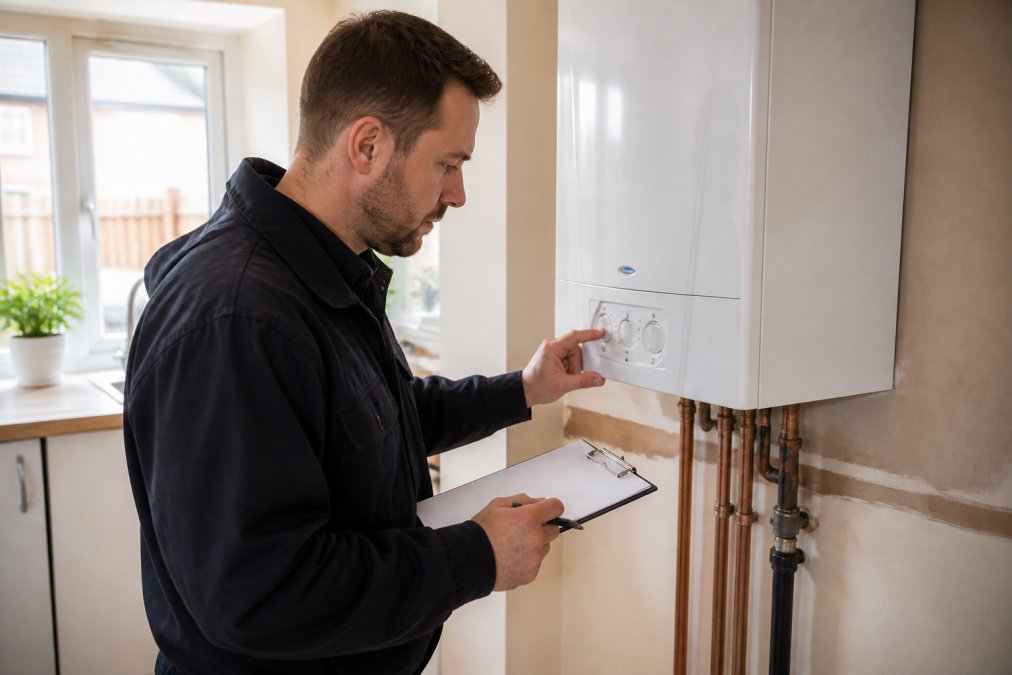
A landlord gas safety check is a thorough inspection of all gas appliances and pipework in your rental property. The engineer tests every gas-powered device, checks for leaks, and verifies that everything operates safely.
The check covers:
- Boilers and heating systems
- Gas cookers and hobs
- Gas fires and heaters
- Pipework and connections
- Ventilation and flues
- Safety devices and controls
The engineer will spend 30 minutes to 2 hours on site, depending on how many appliances you have and their condition. They’ll test pressure, check for carbon monoxide leaks, inspect visible pipework, and verify that all safety controls work properly.
At the end, you’ll receive a Gas Safety Certificate (also called a CP12). This certificate proves the property is safe and must be kept for your records. You’re legally required to give a copy to your tenants and provide one to your local authority if requested (Private renting: Your landlord’s safety responsibilities).
If the inspection finds a fault, the engineer will issue a warning notice. Do not allow tenants to use the faulty appliance until it’s repaired by a Gas Safe registered engineer.
How Long Does a Landlord Gas Safety Check Take
A typical landlord gas safety check takes between 30 minutes and 2 hours, depending on the number of appliances and the property’s condition.
Factors that affect duration:
- Number of appliances: A property with just a boiler and cooker takes less time than one with multiple heaters and fires
- Property age: Older properties with corroded pipework or outdated appliances may require more thorough inspection
- Accessibility: If appliances are hard to reach or pipework is hidden, the check takes longer
- Condition of equipment: Well-maintained appliances speed up the process; neglected ones require detailed investigation
Most straightforward checks in well-maintained properties finish in 45 minutes to 1 hour. Properties with multiple appliances or visible issues typically take 90 minutes to 2 hours.
Plan for the full duration and ensure your tenant is home to provide access. Don’t schedule other tradespeople on the same day, you want the engineer’s full attention.
Essential Pre-Inspection Checks and Preparation Steps
Preparing your property properly before the inspection day prevents delays and reduces the risk of failures. Start these checks at least two weeks in advance.
Clear access to all appliances
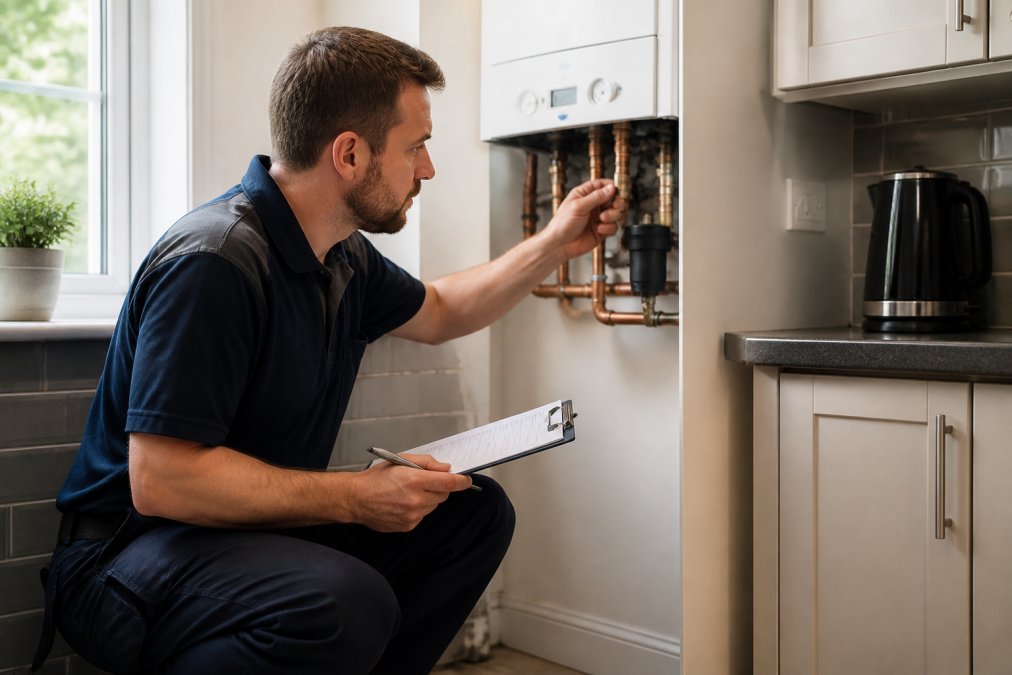
The engineer needs to reach every gas appliance easily. Move furniture, boxes, or stored items away from boilers, cookers, heaters, and any visible pipework. If a boiler is in a cupboard, remove everything in front of it. If a gas fire is blocked by a sofa, move the sofa.
Don’t assume the engineer can work around obstacles, they need clear space to inspect, test, and take readings.
Check for obvious leaks or damage
Walk through your property and look for:
- Corrosion or discolouration on pipework
- Loose connections or fittings
- Cracks in boiler casing
- Damaged or missing seals
- Soot or black marks around appliances
If you spot anything concerning, book a repair before the inspection. A Gas Safe registered engineer can assess and fix issues in advance, giving you time to resolve them.
Ensure pilot lights are lit
If you have gas fires or older appliances with pilot lights, light them before the engineer arrives. A pilot light that won’t stay lit is a common fault and will delay your inspection.
Test boiler operation
Turn on your heating and hot water. Listen for unusual sounds. If the boiler doesn’t fire up, makes strange noises, or produces no heat, report it to a Gas Safe engineer before the inspection.
Verify tenant access
Confirm your tenant will be home on inspection day. Provide at least 24 hours’ notice. The engineer must access all areas where gas appliances are located, including bedrooms if there are heaters or fires.
Gather appliance documentation
Collect any manuals, previous service records, or certificates for your appliances. These help the engineer understand the equipment and its maintenance history.
The key to a smooth inspection is removing barriers between the engineer and the appliances. Clear access, working equipment, and tenant cooperation are your three priorities.
Tenant Access for Gas Safety Inspections
Your tenant must grant access for the gas safety inspection. This is a legal requirement, and access is a condition of the tenancy agreement.
How to request access
Give your tenant at least 24 hours’ notice in writing. Email is acceptable, but a formal letter is safer for your records. State:
- The date and time of the inspection
- The engineer’s name and company
- That it’s a mandatory gas safety check
- That you’ll provide a Gas Safety Certificate afterward
If your tenant refuses access
A tenant cannot legally refuse a gas safety inspection. If they do, you have the right to enter using a spare key or by obtaining a court order. Document the refusal in writing and contact your local authority if necessary.
Most tenants cooperate willingly when given proper notice. Explain that the inspection protects their safety and is required by law.
Tenant responsibilities
Your tenant should:
- Be present during the inspection
- Provide access to all rooms and appliances
- Allow the engineer to test equipment
- Report any issues they’ve noticed with heating, hot water, or appliances
After the inspection
Give your tenant a copy of the Gas Safety Certificate. Keep your own copy for at least 2 years. If you use a letting agent, they may handle this on your behalf.
Landlord Gas Safety Certificate Requirements
The Gas Safety Certificate (CP12) is the legal proof that your property has passed its annual gas safety inspection. You must obtain one every year, and it’s a condition of your tenancy agreement.
What the certificate shows
The certificate lists:
- All gas appliances in the property
- Test results for each appliance
- Any defects found
- The engineer’s Gas Safe registration number
- The date of inspection
- The date the certificate expires (12 months from inspection)
Your legal obligations
You must:
- Arrange an annual inspection with a Gas Safe registered engineer
- Obtain a certificate within 30 days of the inspection
- Give a copy to your tenant within 30 days of the inspection
- Keep a copy for your records for at least 2 years
- Provide a copy to your local authority if they request one
If the property fails inspection
If the engineer identifies a fault, they’ll issue a warning notice and mark the certificate as “failed” or “with defects”. You must:
- Arrange repairs immediately with a Gas Safe engineer
- Not allow tenants to use the faulty appliance until it’s fixed
- Arrange a follow-up inspection once repairs are complete
Storing your certificate
Keep digital and paper copies. Store them safely, you may need to produce them for insurance claims, local authority requests, or if a dispute arises with your tenant.
Landlords managing multiple properties benefit from a system to track inspection dates and certificate expiry. Set calendar reminders 6 weeks before each certificate expires so you don’t miss the deadline.
Common Issues Found During Gas Safety Inspections
Understanding what engineers typically find helps you spot problems early and avoid inspection delays.
Corrosion and rust
Corroded pipework or fittings are common in older properties. Surface rust isn’t always dangerous, but significant corrosion can weaken pipes or create leaks. The engineer will advise whether repair is needed.
Blocked or damaged flues
Flues carry combustion gases safely outside. Blockages from debris, bird nests, or damage can trap dangerous gases inside the property. The engineer checks flue operation and ventilation.
Faulty thermostats or controls
Boilers rely on thermostats and safety controls to operate properly. If these fail, the boiler won’t heat efficiently or safely. Replacement is straightforward but must be done by a Gas Safe engineer.
Leaking connections
Small leaks at pipe joints are common in older installations. The engineer tests for leaks using a gas detector and will flag any that need repair.
Pilot light issues
Pilot lights that won’t stay lit or burn incorrectly indicate a problem.
Carbon monoxide concerns
Poor ventilation
Frequently Asked Questions
How often must landlords carry out a gas safety inspection?
Landlords must arrange a gas safety inspection at least once every 12 months under the Gas Safety (Installation and Use) Regulations 1998. The inspection must be carried out by a Gas Safe registered engineer. You should schedule the annual check well in advance to avoid gaps in your compliance, and keep detailed records of each inspection for at least two years.
What should I do to prepare my property for a Gas Safe engineer?
Before the engineer arrives, ensure all gas appliances are accessible, clear any obstructions around the boiler and pipework, and inform your tenant of the appointment date and time. Make sure the property is at a safe temperature and that the engineer can safely access all areas where gas work is needed. Have any previous safety certificates available for reference.
What happens if a rental property fails a gas safety inspection?
If defects are identified, the engineer will issue a report detailing the issues. You must arrange repairs immediately with a Gas Safe registered engineer and cannot let the property until all defects are resolved. Failing to address safety issues is a serious breach of landlord obligations and can result in significant fines and legal action.
Do landlords have to provide tenants with a copy of the gas safety record?
Yes, you must provide tenants with a copy of the gas safety certificate within 30 days of the inspection. You must also give a copy to any new tenants before they move in. Keep copies for your records and ensure tenants understand they can request to see the certificate at any time during their tenancy.