
Table of Contents
- Why Landlord Gas Safety Rules Matter
- 1. Book an Annual Gas Safety Check With a Gas Safe Engineer
- 2. Keep a Landlord Gas Safety Record for Every Appliance
- 3. Meet Gas Safe Registered Engineer Requirements Before Any Work
- 4. Install and Test Carbon Monoxide Alarms
- Understanding Landlord Gas Safety Certificate Cost
- 5. Keep a Log of Maintenance and Tenant Communication
- What Happens if You Skip These Steps
- Frequently Asked Questions
Last Updated: September 5, 2026
Landlord gas safety rules exist for one simple reason: a poorly maintained gas appliance can leak carbon monoxide or cause an explosion, putting every tenant in the building at risk. For landlords, compliance is not optional, and the rules are strict. This guide from Major Heat covers the 5 best practices for gas safety in rental properties, from annual checks to record keeping, so you can meet your legal duties with confidence. Getting gas safety right protects your tenants, your property, and your reputation as a landlord.
At Major Heat, our Gas Safe registered engineers handle servicing and compliance work across Gillingham, Maidstone, Sittingbourne, Ashford, and Canterbury. We see the same gaps every year, and the fixes are straightforward. The legal framework is set out in the Gas Safety (Installation and Use) Regulations 1998, and the official register is maintained by the Gas Safe Register. Below, we’ll show you exactly how to stay compliant, avoid penalties, and keep your rental property safe.
Why Landlord Gas Safety Rules Matter
The core principle is simple: landlords must ensure all gas appliances, fittings, and flues in their rental properties are safe and properly maintained. This duty applies to every gas appliance you provide, including boilers, cookers, and fires. A gas safety check must be completed annually by a Gas Safe registered engineer, and you must keep a record of that check for two years.
The consequences of ignoring these rules are severe. Beyond the obvious risk to life, you could face fines, invalidated insurance, and even prosecution. In serious cases involving tenant injury or death, landlords have received custodial sentences. The Health and Safety Executive (HSE) enforces these regulations, and they actively investigate complaints.
Never attempt to cut corners by using an unregistered engineer. Not only is the work illegal, but your insurance will likely be void, and you will be personally liable if something goes wrong. Always verify the engineer’s Gas Safe ID card before any work begins.
1. Book an Annual Gas Safety Check With a Gas Safe Engineer
How often should a landlord gas safety check be done? The check must be carried out every 12 months, and it must be completed before a new tenancy begins. You cannot let a property to a new tenant unless the check has been done within the preceding 12 months.
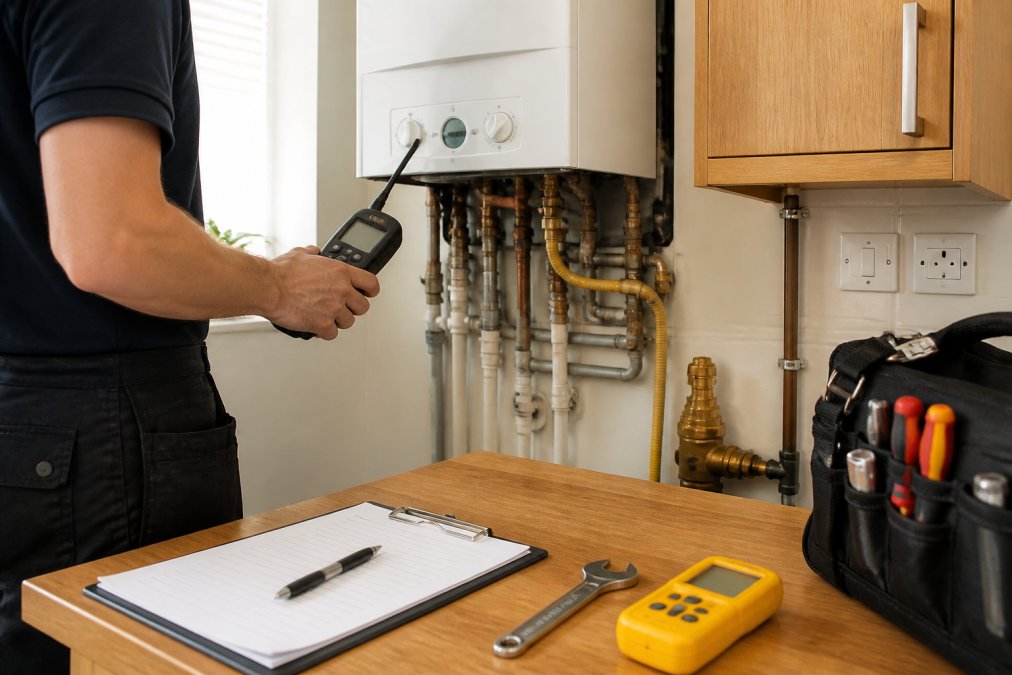
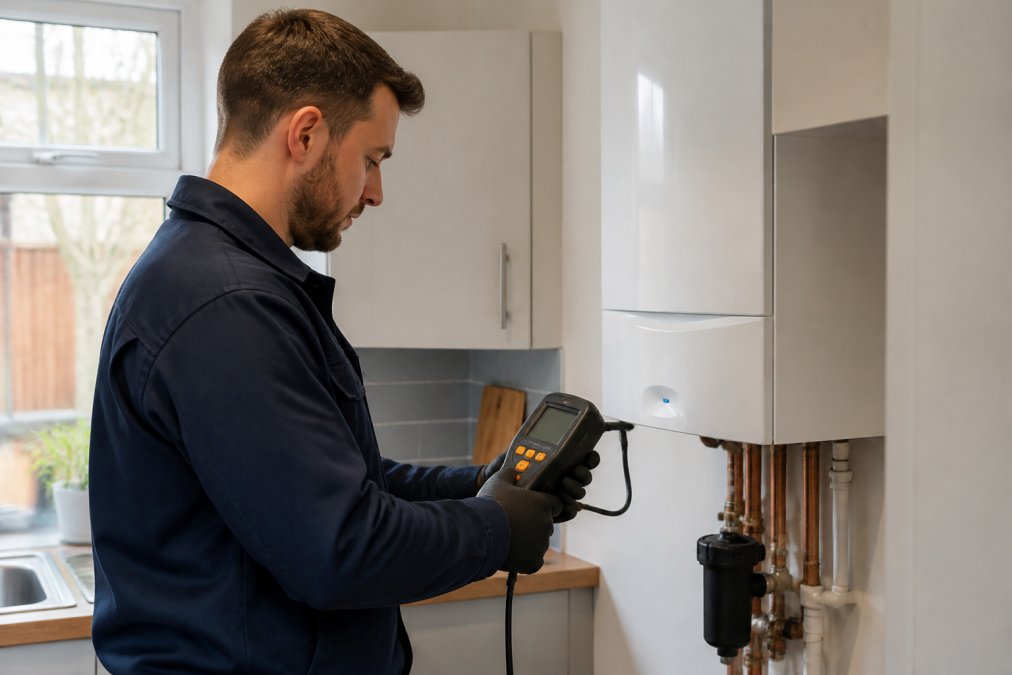
The annual check covers all gas appliances and flues in the property. The engineer will inspect the appliance for safe operation, check gas pressure and flow, verify that flues are clear and functioning, and test for any carbon monoxide leaks. After the inspection, they will issue the landlord gas safety record.
Booking early is sensible. Engineers get busy ahead of winter, and letting a check lapse by even a week creates a compliance gap. For landlords managing multiple properties, scheduling all checks in the same month simplifies your record keeping and reduces the risk of missing a renewal date.
2. Keep a Landlord Gas Safety Record for Every Appliance
After each annual check, the engineer provides a landlord gas safety record, sometimes called a CP12. This document is your proof of compliance, and you must keep a copy for two years. When a tenant moves in, they are legally entitled to receive a copy before they occupy the property.
What the Gas Safety Record Must Include
The record must list every gas appliance checked, the engineer’s name and Gas Safe registration number, the property address, and the date of the check. It must also confirm that all safety checks were completed and note any defects found. If an appliance is deemed unsafe, the engineer will disconnect it or cap the gas supply until the issue is resolved.
A common mistake among landlords is misplacing the record or failing to pass a copy to tenants. Keep digital and physical copies, and log the renewal date in your calendar the moment the check is completed. A simple spreadsheet tracking each property, its check date, and the next due date prevents lapses.
3. Meet Gas Safe Registered Engineer Requirements Before Any Work
Gas Safe registered engineer requirements are clear: anyone carrying out gas work on your property must be on the Gas Safe Register. This is the official list of engineers legally allowed to work on gas appliances. The register replaced the old CORGI scheme in 2009.
Before booking any engineer, ask to see their Gas Safe ID card. Check the front for their photo, registration number, and expiry date. Turn the card over and verify that the work they will perform is listed on the back. Some engineers are registered only for specific appliance types, so confirming this detail prevents illegal or unsafe work.
You can verify an engineer’s status directly through the Gas Safe Register search tool, which is free to use. This is the same check the HSE recommends, and it takes less than a minute. If an engineer cannot produce a valid card, do not let them touch any gas appliance.
When an engineer from Major Heat arrives for a service or repair, ask to see the Gas Safe ID card and check the expiry date yourself. A legitimate engineer expects this and will happily wait while you verify their credentials. This habit protects you from rogue traders.
4. Install and Test Carbon Monoxide Alarms
Carbon monoxide is colourless, odourless, and lethal, which is why alarms are a legal requirement in rental properties. Since October 2015, landlords must fit a carbon monoxide alarm in any room containing a solid fuel appliance. For gas appliances, the rules differ slightly depending on the appliance type and installation date, but fitting alarms near every gas appliance is best practice.
Choose alarms that meet British Standard BS 50291 and carry the CE or UKCA mark. The FireAngel range of carbon monoxide alarms offers sealed battery models with 7-year or 10-year lifespans, starting from around £15. For landlords wanting remote monitoring, the Nest Protect smart alarm costs about £109 and sends alerts to a mobile app.
Test every alarm at the start of each tenancy and remind tenants to test them monthly. Record the test dates and any maintenance in your property log. An alarm that is not tested is no better than no alarm at all.
Understanding Landlord Gas Safety Certificate Cost
The landlord gas safety certificate cost varies depending on your location, the number of appliances, and the engineer you choose. A standard annual gas safety check for a single boiler typically falls within a modest range, but prices differ between providers. Some engineers bundle the check with a boiler service, which can represent better value.
When comparing quotes, verify that the engineer is Gas Safe registered and that the price includes the landlord gas safety record. Some companies advertise a low check price but charge extra for the certificate or for testing additional appliances. Ask for a clear breakdown before booking.
Major Heat offers free quotes for gas safety checks and servicing across Gillingham, Maidstone, Sittingbourne, Ashford, and Canterbury. Contact us for a transparent price with no hidden fees.
5. Keep a Log of Maintenance and Tenant Communication
Beyond the annual check, maintaining a clear log of all gas-related activity strengthens your compliance position. Record every service visit, repair, alarm test, and piece of correspondence with tenants about gas safety. If a dispute arises, this log demonstrates that you took your duties seriously.
Good communication also protects tenants. When the annual check is due, give tenants at least 24 hours’ notice in writing, as required by law. Explain that the check is for their safety and that access is necessary. Most tenants cooperate, but if access is refused, document every attempt and seek legal advice rather than forcing entry.
| Practice | Frequency | Key Action | Compliance Impact |
|---|---|---|---|
| Annual gas safety check | Every 12 months | Book Gas Safe engineer | Legal requirement |
| Landlord gas safety record | After each check | Store for 2 years, share with tenants | Proof of compliance |
| Carbon monoxide alarm test | Monthly | Test and record results | Tenant safety |
| Engineer verification | Before any work | Check Gas Safe ID card | Prevents illegal work |
| Maintenance log | Ongoing | Record all visits and communication | Evidence if disputed |
What Happens if You Skip These Steps
Skipping gas safety checks is not a minor oversight. The HSE can prosecute landlords who fail to comply, and fines can reach unlimited amounts in serious cases. Your insurance may refuse to pay out for gas-related incidents if you cannot prove annual checks were completed, leaving you personally liable for damages.
The graver risk is to tenants. A faulty gas appliance can cause carbon monoxide poisoning, which kills around 60 people a year in England and Wales according to Gas Safe Register safety research. No landlord wants that outcome on their conscience, and no court will treat it lightly.
The practical path is simple: book the annual check, keep the record, verify your engineer, fit and test alarms, and log everything. These five practices form the complete gas safety picture for rental properties. Following them keeps you legal, your tenants safe, and your property protected.
Frequently Asked Questions
What are a landlord’s legal responsibilities for gas safety in rental properties?
Landlords must arrange an annual gas safety check by a Gas Safe registered engineer for every gas appliance, flue, and pipework they own. You must keep the Landlord Gas Safety Record and give a copy to tenants before they move in and within 28 days of each annual check. You are also legally responsible for maintaining gas appliances and ensuring all ventilation routes stay clear.
How often should a landlord gas safety check be done?
A landlord gas safety check must be carried out every 12 months. The new check must be completed before the expiry date on the current Landlord Gas Safety Record, even if that falls slightly earlier than a full year from the previous inspection. Booking a few weeks ahead helps you avoid a gap in cover, which would put you in breach of your legal duties.
What is a Landlord Gas Safety Record (LGSR)?
The Landlord Gas Safety Record (LGSR) is the official certificate issued after a Gas Safe registered engineer completes the annual safety check. It records the property address, all appliances checked, any defects found, and the engineer’s details. You must keep a copy for at least two years and provide a copy to tenants within 28 days of the check.
What happens if a landlord fails to provide a gas safety certificate?
Failing to provide a gas safety certificate is a criminal offence. You could face a fine or prosecution, and you may be unable to serve a valid Section 21 notice to regain possession of your property. If a tenant is harmed by unsafe gas work, the consequences are far more serious, including potential imprisonment. Insurance policies may also become void.
What are the Gas Safe registered engineer requirements for landlords?
All gas work on rental properties must be completed by an engineer on the Gas Safe Register. You can verify an engineer’s credentials by checking their Gas Safe ID card, which lists the appliances they are qualified to work on, or by searching the register online. Never accept work from an unregistered engineer, as it is illegal and invalidates your safety record.
Gas safety is a year-round responsibility, not a once-a-year formality. The challenge for busy landlords is staying organised across multiple properties and remembering every renewal date. Major Heat makes that easier with Gas Safe registered engineers who handle annual servicing, safety checks, and emergency repairs across Kent. Every visit includes a transparent quote before work begins, so you know exactly where you stand. Get started with Major Heat and book your gas safety check today.