
Table of Contents
- Why gas safety records matter
- Penalties for no gas safety certificate
- Gas safety record 28 days: the legal timeline
- Missing gas safety certificate and Section 21 eviction notices
- What to do if gas safety record is missing
- Record-keeping requirements for landlords
- Conclusion
- Frequently Asked Questions
Last Updated: October 18, 2026
Why gas safety records matter
Gas safety records aren’t just paperwork. They’re proof that your heating system is safe to use. Without them, you’re exposed to serious legal and financial risks.
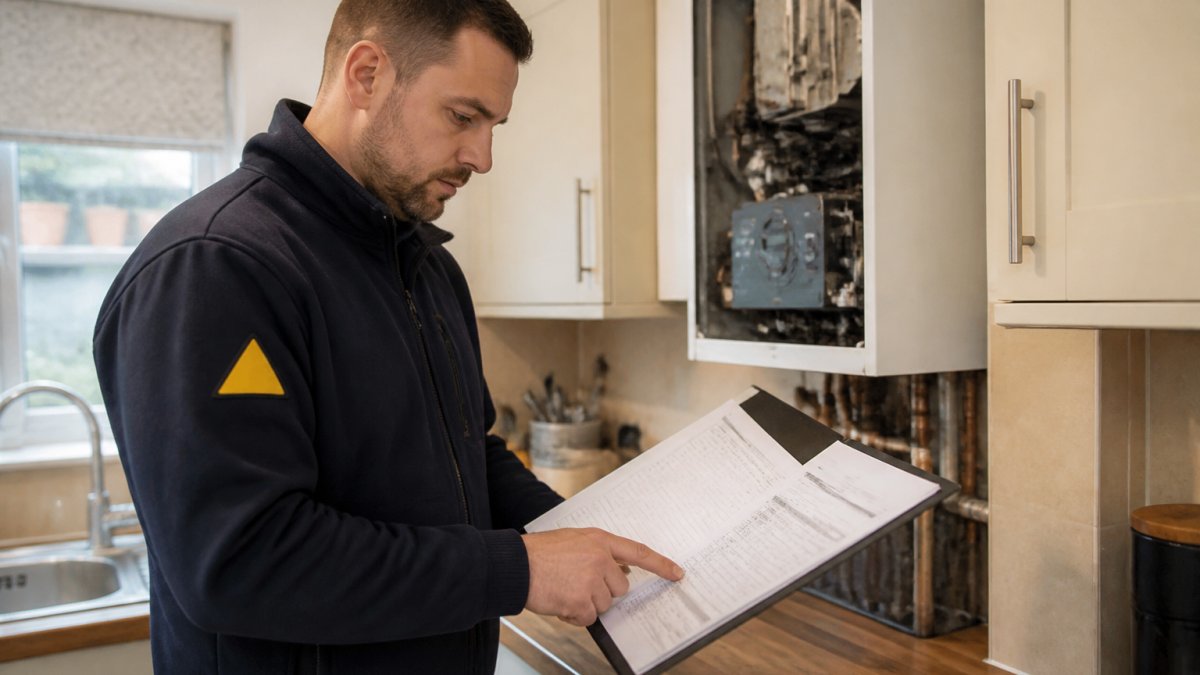
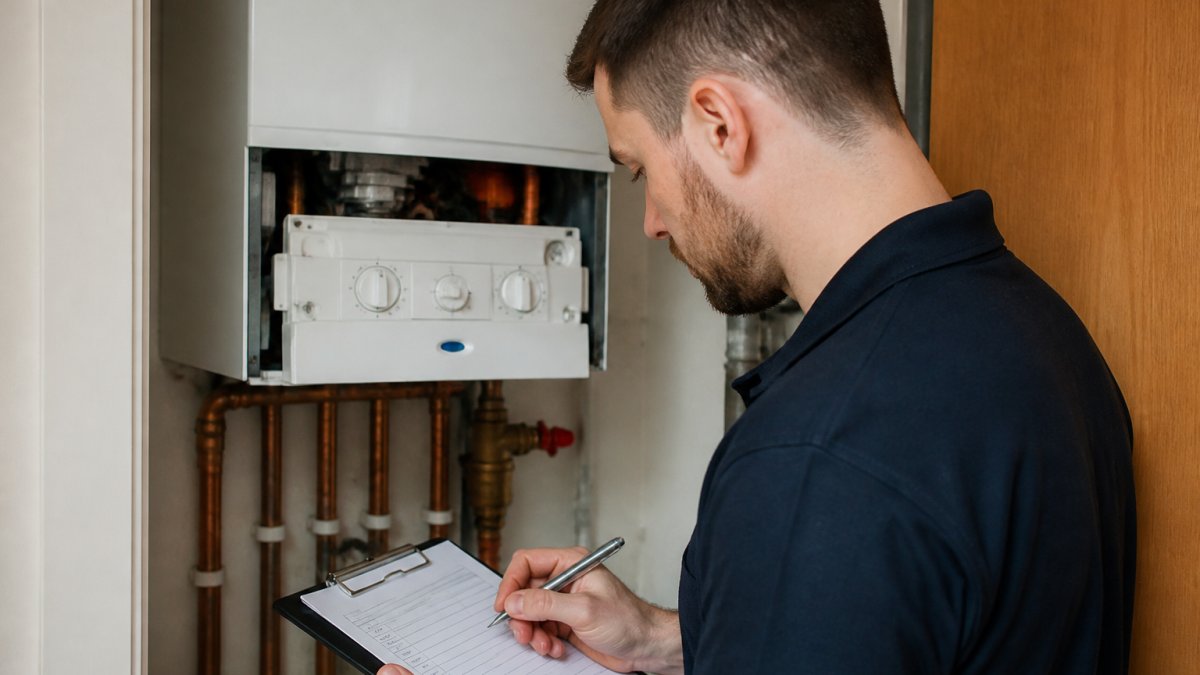
A gas safety record documents that a qualified engineer has inspected your boiler and gas appliances. The inspection checks for leaks, carbon monoxide risks, and proper installation. If problems exist, the engineer records them. If everything passes, you get a certificate.
For landlords, this is mandatory. For homeowners, it’s essential insurance against accidents and liability.
The legal framework is clear. Gas appliances must be checked annually by a Gas Safe registered engineer (Private renting: Your landlord’s safety responsibilities). That engineer must issue a record of the work. You must keep that record for at least two years (Gas safety check records and what to keep). Failing to do so puts you in breach of safety law.
Why landlords face stricter rules
Landlords have greater responsibility than owner-occupiers. Tenants depend on landlords to maintain safe homes. The law recognises this imbalance and enforces stricter penalties for landlords who neglect gas safety.
If you rent out a property, you’re legally required to have gas safety records for every appliance. You must provide a copy to your tenant within 28 days of the inspection. You must also keep copies for your own records. Failure triggers enforcement action from local authorities.
Penalties for no gas safety certificate
The consequences of missing a gas safety certificate are severe. Fines start at £5,000 and can reach £35,000 or more. In serious cases, you may face prosecution and even imprisonment.
Local authorities enforce gas safety law. They inspect properties, check records, and take action against non-compliant landlords. Their enforcement teams have the power to:
- Issue improvement notices demanding compliance
- Prosecute in a magistrates’ courts
- Apply for prohibition orders that ban you from letting
- Seize and remove unsafe appliances
A single missing inspection can trigger a fine of up to £5,000. Repeat breaches or deliberate neglect push penalties higher. If someone is injured because you failed to maintain records, criminal charges become likely.
Criminal liability
Beyond fines, missing records can lead to criminal prosecution. If a tenant is harmed by a gas leak or carbon monoxide poisoning, and you cannot produce a safety record showing the appliance was inspected, you face charges under health and safety law.
Convictions result in:
- Unlimited fines
- Up to six months’ imprisonment
- Prohibition from letting property
- Permanent damage to your reputation
The burden of proof falls on you. If an incident occurs and you have no record of inspection, the court assumes negligence.
Gas safety record 28 days: the legal timeline
The gas safety record 28 days rule is fundamental. Within 28 days of a gas safety inspection, you must provide a copy of the record to your tenant (Private renting: Your landlord’s safety responsibilities). This applies to every inspection, every year.
Failing to meet this deadline is a breach of the Gas Safety (Installation and Use) Regulations. It gives local authorities grounds to prosecute.
Why 28 days matters
The 28-day window ensures tenants know their home is safe. It also creates a clear, measurable obligation. If you miss the deadline, you’ve broken the law. No exceptions, no excuses.
Many landlords miss this deadline because they don’t understand it applies to every inspection. They assume one certificate per year is enough. It’s not. Each annual inspection requires a separate record, delivered within 28 days.
Our Gas Safe registered engineers issue records immediately after inspection.
What happens if you miss the deadline
Missing the 28-day deadline triggers the same penalties as having no record at all. Local authorities treat it as non-compliance. Fines apply. Prosecution becomes possible.
Additionally, tenants can use the missing record as grounds for complaint. They may report you to environmental health or local authority enforcement teams. The complaint triggers an inspection of your property. If other breaches are found, penalties compound.
Missing gas safety certificate and Section 21 eviction notices
A missing gas safety certificate can block a Section 21 eviction notice. This is one of the most significant legal consequences for landlords.
Section 21 allows landlords to evict tenants without providing a reason, once the fixed-term tenancy ends. However, the law requires landlords to be compliant with gas safety before they can issue a Section 21 notice.
If you issue a Section 21 notice and you cannot produce a valid gas safety record, a court will reject the eviction. The tenant can stay indefinitely. You lose the ability to regain possession of your property.
How courts handle this
Courts take gas safety compliance seriously. If a tenant challenges a Section 21 notice and you cannot produce records, the judge will dismiss the case. The tenant wins. You pay legal costs. The eviction fails.
This creates a serious problem. You cannot remove a non-paying or problematic tenant if your gas safety records are incomplete. The tenant knows this and may exploit it.
Protecting your right to evict
The only way to protect your Section 21 rights is to maintain complete gas safety records. Schedule inspections annually. Keep copies for at least two years. Provide copies to tenants within 28 days.
If you’re missing records from previous years, get a new inspection immediately. Document it. Keep the record. This rebuilds compliance going forward.
What to do if gas safety record is missing
If you’ve discovered a missing gas safety record, act immediately. The longer you wait, the greater your legal exposure.
Step 1: Identify what’s missing
Determine which years or properties lack records. Check your files carefully. Look for:
- Annual inspection certificates
- Records of any gas work performed
- Landlord’s safety record documents
- Tenant copies you issued
If you cannot find records, assume they’re missing until proven otherwise.
Step 2: Schedule a new inspection
Book an inspection with a Gas Safe registered engineer immediately. Do not wait. The sooner you get a valid record, the sooner you reduce liability.
During the inspection, inform the engineer that you’re seeking to establish current compliance. They’ll inspect all gas appliances and issue a new record. This record is valid from the date of inspection.
Step 3: Notify your tenants
If you’re a landlord with tenants in the property, inform them that an inspection is scheduled. Provide access. After the inspection, give them a copy of the new record within 28 days.
Step 4: Keep records going forward
Establish a system to track inspections. Use a calendar reminder to book annual inspections. Keep digital and physical copies of all records. Store them safely for at least two years.
Many landlords use spreadsheets or property management software to track compliance dates. This prevents future gaps.
Step 5: Consider professional help
If you manage multiple properties, consider hiring a professional to manage gas safety compliance. Our Gas Safe registered engineers handle the technical work.
Record-keeping requirements for landlords
Proper gas safety record storage is a legal requirement. You must keep records for at least two years. This gives local authorities time to investigate complaints and gives you proof of compliance if disputes arise.
What you must keep
Keep the following documents:
- Original or certified copy of the gas safety certificate
- Records of any remedial work performed
- Proof that you provided copies to tenants
- Inspection reports if appliances failed safety checks
- Evidence of follow-up repairs
How to store records
Store records safely and accessibly. Digital copies are acceptable, provided you can produce them quickly if requested. Keep backups in case of data loss.
Many landlords use:
- Filing cabinets with organised folders
- Cloud storage services
- Property management software
- Email archives with clear subject lines
The method matters less than consistency. You must be able to retrieve a record within days if a local authority requests it.
Legal access
Local authorities have the right to inspect your records. If they suspect non-compliance, they can demand to see gas safety certificates. If you cannot produce them, enforcement action follows.
Tenants also have the right to request copies of records. You must provide them within 28 days of the request.
What happens if records are lost
If records are genuinely lost, get a new inspection immediately. The new record proves current compliance. However, it does not excuse the absence of historical records. If local authorities investigate and find a gap, penalties still apply.
The best defence is to maintain records from the start. If you’re taking over a property where previous records are missing, get an inspection and start fresh.
Conclusion
Missing gas safety records exposes you to fines, prosecution, and loss of control over your property. The legal consequences are real and costly. Landlords face particular scrutiny because tenants depend on them to maintain safe homes.
The solution is straightforward: schedule annual inspections, keep records for two years, and provide copies to tenants within 28 days. At Major Heat, our Gas Safe registered engineers handle the inspection and issue records on the spot. Get in touch for a free assessment of your current gas safety status and a transparent quote for any work needed.
Frequently Asked Questions
What happens if a landlord does not have a gas safety record?
A landlord without a gas safety record breaches the Gas Safety (Installation and Use) Regulations 1998. The Health and Safety Executive (HSE) can issue enforcement notices, prosecute the landlord, and impose unlimited fines. Tenants can also report the breach to their local authority, triggering investigations. Additionally, a missing gas safety record prevents landlords from serving valid Section 21 eviction notices, leaving them unable to reclaim possession of the property during the fixed term.
Can a landlord be fined for not having a gas safety check?
Yes. Under the Gas Safety Regulations, failure to arrange an annual gas safety check can result in fines up to £6,000 per breach in a magistrates’ court, or unlimited fines in the Crown Court. The HSE actively prosecutes landlords who neglect this duty. Each year without a check is treated as a separate offence, so fines can accumulate. Tenants can report non-compliance to the local authority, which may also issue civil penalties.
How soon must a landlord give tenants a copy of the gas safety record?
A landlord must provide a copy of the gas safety record to all tenants within 28 days of the check being completed. This applies to existing tenants and new tenants before they move in. Failure to provide the record within this timeframe is a breach of the Gas Safety Regulations and can result in fines up to £6,000 in a magistrates’ court.
Can a missing gas safety record affect a landlord’s ability to serve notice?
Yes. A landlord cannot serve a valid Section 21 eviction notice (notice to quit) unless a gas safety record is in place. If the record is missing, any Section 21 notice served is invalid, and the tenant can challenge the eviction in court. This means a landlord cannot regain possession of the property through the accelerated possession procedure until the gas safety record is obtained and provided to the tenant.