
Last Updated: 24 October 2026
Quick Summary
The best ways to stop draughts in older homes start with finding the leaks, not buying products. Seal the biggest gaps first, beginning with the cheapest wins such as door brush strips and letterbox covers, then work down to windows, floorboards and chimneys. Always balance draught-proofing with ventilation so you don’t trap moisture.
- Use a lit incense stick or damp hand on a cold, windy day to find draughts.
- Fit thin foam strips to sash windows and test after each one so they still slide.
- Seal floorboard gaps with flexible wood filler and skirting gaps with flexible sealant.
- Remove a chimney balloon before lighting a fire and never block a flue serving a working fire.
- Leave trickle vents open and don’t block air bricks to avoid trapping damp air.
Table of Contents
- Why Older Homes Leak Heat and Where to Start
- Draught-Proofing Windows in Period Properties
- Draught-Proofing Doors: The Cheapest Wins First
- How to Stop Draughts Through Floorboards
- Fitting a Chimney Draught Excluder Without Blocking Ventilation
- Which Draught-Proofing Jobs Are Worth Doing Yourself
- The Ventilation Trap: Why Sealing Everything Can Backfire
- Book a Heating Check Before the Cold Sets In
- Frequently Asked Questions
Why Older Homes Leak Heat and Where to Start
Older homes leak heat because they were built before airtight construction became standard, so gaps around windows, doors, floors and chimneys let cold air in and warm air out. Solid walls, original sash windows and open chimneys can do more damage to heating bills than an ageing boiler ever could.
The best ways to stop draughts in older homes start with finding the leaks, not buying products. Seal the biggest gaps first, then work down to the small ones.
If you want the wider picture before spending anything, our guide to improving home insulation efficiency covers walls, lofts and floors together. Loft insulation is a common companion fix, and it’s worth checking whether loft insulation is worth the investment for your property before you commit to a bigger job.
Finding the Draughts Before You Spend a Penny
Use a lit incense stick or a damp hand on a cold, windy day. Hold it near window frames, skirting boards, loft hatches and letterboxes, and watch where the smoke or cold air moves. Do this before you buy a single strip of draught excluder.
The Energy Saving Trust’s draught-proofing guidance recommends sealing gaps around doors, windows and floors to reduce unwanted cold air. That’s the order we’d work in too: biggest gaps first, cheapest fixes first.
Draught-Proofing Windows in Period Properties
Draught-proofing windows in period properties means sealing the gaps between the sash and frame without jamming the mechanism. Self-adhesive foam strip works on the frame; brush or wiper seals suit sliding sashes.
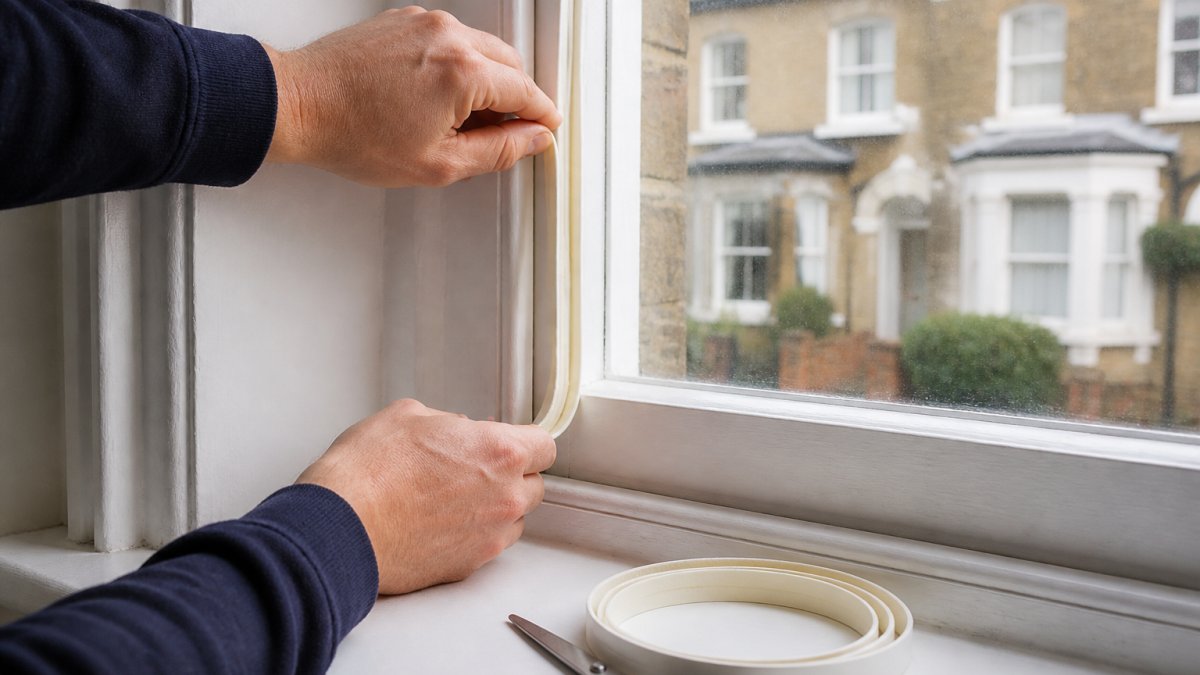
For sash windows, fit the strip to the meeting rail and the sides of the frame, then check the window still closes fully. Secondary glazing is the more expensive option, but it keeps the original frames intact.
Watch out: overfilling a sash gap with foam stops the window sliding freely and can crack old putty. Fit thin strips and test the window after each one.
Draught-Proofing Doors: The Cheapest Wins First
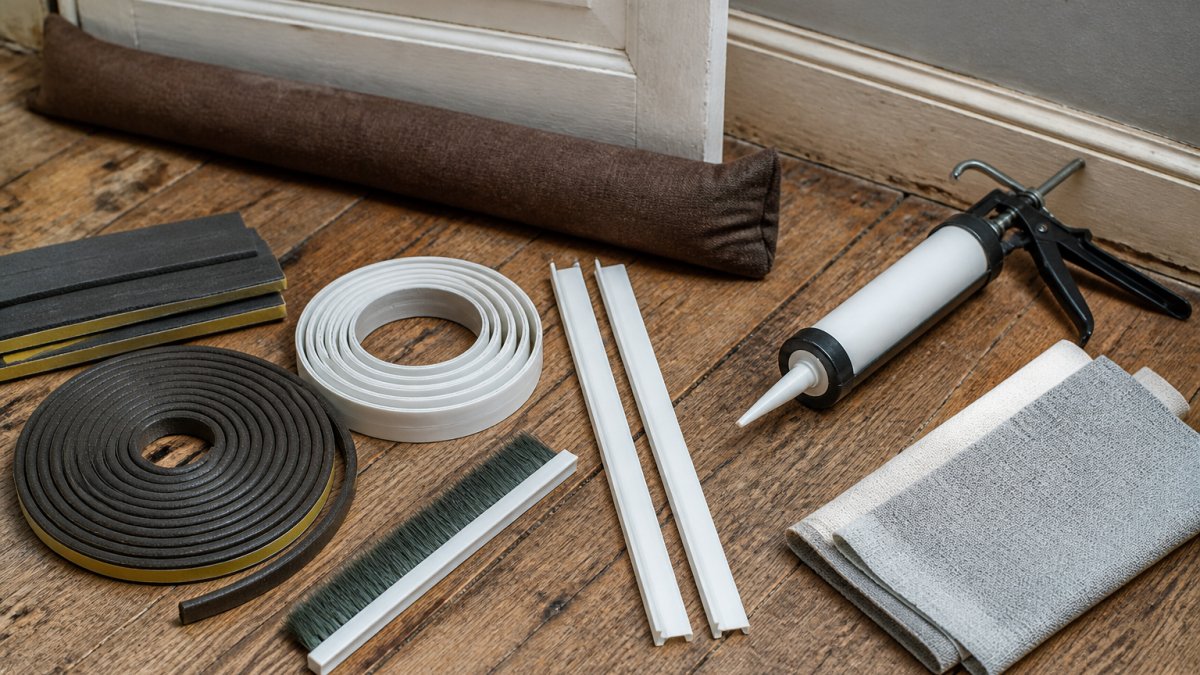
Draught-proofing doors is the cheapest place to start, because a brush strip or draught excluder costs very little and takes minutes to fit. Exterior doors lose the most heat, so tackle those before internal ones.
- Letterbox: fit a brush or flap cover.
- Keyhole and handle: add a cover or escutcheon plate.
- Bottom gap: fit a brush strip or a weighted draught excluder.
- Sides and top: use self-adhesive foam or a V-strip seal for uneven gaps.
The Ecological Building Systems guide to stopping draughts in old houses also suggests checking internal-door glass panels and adding brush strips, while keeping ventilation in mind.
How to Stop Draughts Through Floorboards
Stopping draughts through floorboards means sealing the gaps between boards and around the skirting, not just covering them with a rug. Cold air rises through suspended timber floors, especially on the ground floor.
- Fill narrow gaps with a flexible wood filler or papier-mâché strip.
- Seal the gap between skirting board and floor with a flexible sealant.
- For wider gaps, lift a board and fit a draught-proofing strip underneath.
Watch out: sealing every floor gap in a room with a solid fuel fire or open flue can starve it of air. Leave ventilation where a fire needs it.
Fitting a Chimney Draught Excluder Without Blocking Ventilation
A chimney draught excluder is a balloon or brush that sits inside the flue to stop cold air coming down, and it must be removed before the fire is lit. An open chimney is one of the largest draughts in an older home.
Fit a chimney balloon or a chimney sheep for unused flues. If the fireplace is still used, fit a proper damper or a chimney draught excluder designed for live fires, and keep the flue clear.
Watch out: blocking a flue that serves a working fire or boiler without proper ventilation is dangerous. Always leave an air path where combustion happens.
Which Draught-Proofing Jobs Are Worth Doing Yourself
Most draught-proofing jobs are DIY-friendly if you’re comfortable with basic tools. Windows, doors, letterboxes and floor gaps are all sensible weekend jobs. Chimneys, boilers and anything involving gas are not.
| Job | Difficulty | Best DIY? | Watch For |
|---|---|---|---|
| Door brush strips | Easy | Yes | Uneven gaps need V-strip |
| Window foam seals | Easy | Yes | Don’t jam the sash |
| Letterbox cover | Easy | Yes | Check the flap seals fully |
| Floorboard gaps | Moderate | Yes | Leave ventilation for fires |
| Chimney balloon | Moderate | Yes | Remove before lighting a fire |
| Boiler or flue work | Professional | No | Gas Safe registered only |
If you’re deciding where to put your effort, our guide to 7 ways to lower heating bills puts draught-proofing alongside the other savings worth making.
The Ventilation Trap: Why Sealing Everything Can Backfire
Sealing every gap in an older home without adding ventilation traps moisture and can make condensation worse. Older homes need some air movement to stay dry, and draught-proofing should work with ventilation, not against it.
That’s the point most guides miss. A house sealed too tightly holds damp air, which leads to mould on cold walls and window frames. Leave trickle vents open, use extractor fans in kitchens and bathrooms, and don’t block air bricks.
For the whole-home view, our guide to improving home energy efficiency explains how to balance draught-proofing with ventilation.
Book a Heating Check Before the Cold Sets In
Draught-proofing only gets you so far if the boiler itself is struggling. A heating system that’s running inefficiently will undo the savings you make on sealing gaps, and an annual service catches problems before they turn into a cold-weekend breakdown.
Major Heat’s Gas Safe registered engineers provide boiler servicing, repairs and installations, with transparent pricing and free quotes. We also offer emergency plumbing support when something fails.
Get started with Major Heat and book a boiler service with Gas Safe registered engineers before winter arrives.
Frequently Asked Questions
What is the most effective way to stop draughts in an older home?
Start with the biggest gaps rather than the smallest. Draught-proofing doors and windows usually gives the fastest return because these openings are large and easy to seal with brush strips, foam tape or a door brush strip. The Energy Saving Trust recommends sealing gaps around doors, windows and floors to reduce unwanted cold air. Once those are done, move to floorboards and chimneys. Effectiveness depends on finding the actual leak first, so a walk-round on a windy day with a damp hand or a lit incense stick will tell you where to spend your money.
How do I draught-proof old doors and windows without damaging the frames?
Use reversible fixings. Self-adhesive foam and brush strips peel off without marking most painted frames, and screw-fixed brush strips can be removed and the holes filled. For sash windows, fit the strip to the staff bead rather than the moving sash so the window still slides. Avoid silicone sealant on any part that needs to open. If a door is warped, a V-strip seal copes better with an uneven gap than rigid foam. Keep the gap under the door covered with a brush or draught excluder rather than sealing it permanently.
Can I stop draughts through floorboards without lifting them?
Yes, in most cases. You can push foam or fibrous filler into the visible gaps between boards from above, then cover with a rug or underlay. For a more thorough job, lift a few boards near the skirting and pack mineral wool between the joists, which also slows heat loss. Do not seal the gap between skirting and floor with expanding foam if there is any chance of pipes or cables running behind it. Older homes often have ventilation paths under the floor that should stay open.
Is it safe to block air vents and chimneys when draught-proofing?
No, not permanently. Open fires, gas appliances and any room with a boiler need a permanent air supply, and blocking it can cause carbon monoxide build-up. A chimney draught excluder is fine on an unused, swept flue, but it must be removable and clearly labelled so nobody lights a fire with it in place. Never seal trickle vents on windows or air bricks in walls. If you are unsure whether a vent is serving an appliance, ask a Gas Safe registered engineer before you touch it.
Can draught-proofing make an older home too damp?
It can if you seal everything and leave no path for moisture to escape. Older properties rely on some background air movement, and trapping that air can push condensation onto cold walls and windows. The practical answer is to seal the gaps that let in cold air while keeping purpose-built ventilation, such as air bricks, trickle vents and extractor fans, working properly. If you notice new condensation after draught-proofing, open a window for part of the day and check that kitchen and bathroom fans are clearing moisture.
