
Table of Contents
- Why Carbon Monoxide Leaks Are a Silent Danger in Rentals
- Symptoms of Carbon Monoxide Poisoning You Should Never Ignore
- Physical Signs of Carbon Monoxide Leaks to Look For
- Carbon Monoxide Alarm Regulations for Landlords Explained
- Landlord Gas Safety Responsibilities and Your Rights as a Tenant
- What to Do If Carbon Monoxide Alarm Goes Off or You Suspect a Leak
- How to Protect Yourself in a Rental Home
- Conclusion: Know the Signs and Act Fast
- Frequently Asked Questions
Last Updated: September 9, 2026
Why Carbon Monoxide Leaks Are a Silent Danger in Rentals
Carbon monoxide leaks are often called the silent killer because the gas is completely invisible, tasteless, and odourless. Unlike a gas leak you can smell, carbon monoxide gives no warning until symptoms appear, which makes understanding the signs of carbon monoxide leaks in rental homes a genuine life-safety skill. For tenants, the risk is heightened because you do not control the boiler, flue, or pipework that might be failing. This guide from Major Heat, a Gas Safe registered heating specialist, explains exactly what to look for and what to do.
A carbon monoxide leak occurs when fuel does not burn completely, which typically happens in faulty or poorly ventilated gas appliances. The most common sources in rental properties are boilers, gas fires, and cookers that have not been serviced. Because you rely on your landlord for maintenance, knowing the signs and your legal rights is your first line of defence.
Symptoms of Carbon Monoxide Poisoning You Should Never Ignore
The early symptoms of carbon monoxide poisoning are easily mistaken for flu or a common cold, which is what makes this gas so dangerous. If you feel unwell at home but your symptoms improve when you leave the property, treat that as a serious warning sign.
Common symptoms of carbon monoxide poisoning include:
- Persistent headaches and dizziness
- Nausea and vomiting
- Shortness of breath and confusion
- Tiredness and weakness
- Chest pain and a rapid heartbeat
The crucial difference between flu and carbon monoxide poisoning is that flu symptoms rarely disappear the moment you step outside. If multiple people in the household feel unwell at the same time, or if you feel better away from home, this strongly points to a leak. Pets often show symptoms before humans, so an unusually lethargic or sick pet is another red flag.
If you suspect carbon monoxide poisoning, leave the property immediately and call the National Gas Emergency Service on 0800 111 999. Do not wait for symptoms to worsen or try to find the source first.
Physical Signs of Carbon Monoxide Leaks to Look For
Beyond how you feel, several physical signs of carbon monoxide leaks can alert you to a problem before symptoms appear. These visual clues are often present for weeks before anyone falls ill, so regular checks are worthwhile.
Look for these warning signs around gas appliances:
- Sooty or yellow-brown stains around a boiler, fire, or water heater
- A yellow or orange flame instead of a crisp blue flame
- Pilot lights that frequently blow out
- Excessive condensation on windows near appliances
- Black marks on walls or ceilings above a gas fire
A carbon monoxide leak is a serious hazard that demands immediate action. If you spot any of these physical signs, do not use the appliance and report it to your landlord without delay. A quick visual inspection of your boiler and gas fire every few weeks takes seconds and could prevent a tragedy.
Carbon Monoxide Alarm Regulations for Landlords Explained
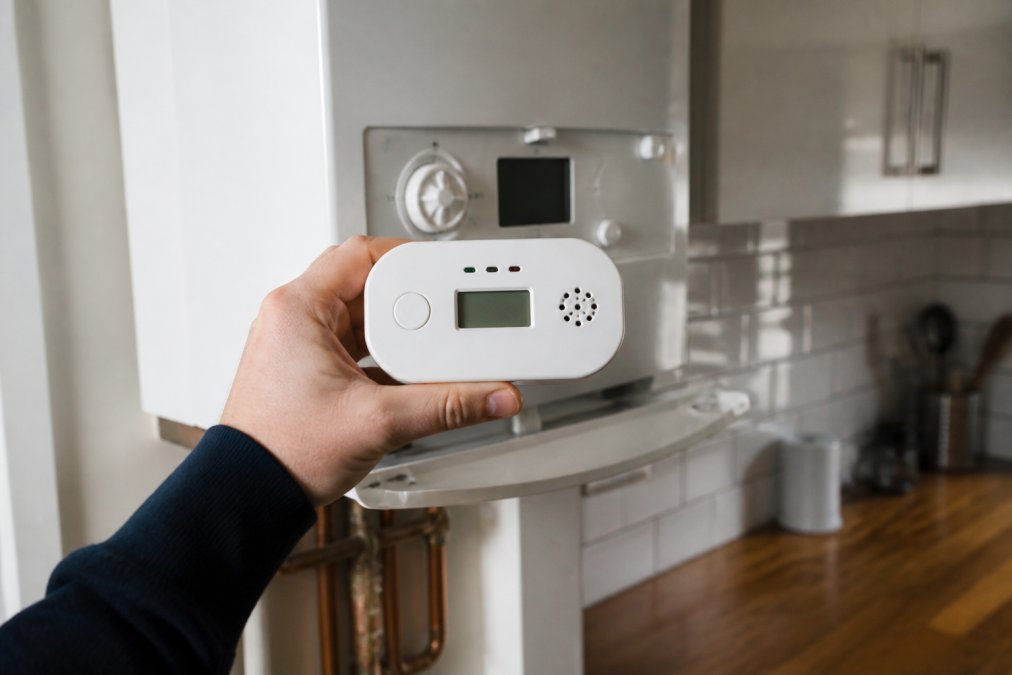
The legal position on carbon monoxide alarms for landlords is clear and has been in force since October 2015. Under the Smoke and Carbon Monoxide Alarm (England) Regulations 2015, landlords must fit a carbon monoxide alarm in any room containing a solid fuel burning appliance, such as a coal or wood fire (gov.uk). The alarm must be checked to ensure it is in working order at the start of every new tenancy.
these regulations currently do not require alarms in rooms with gas boilers or gas fires, only solid fuel appliances. However, best practice guidance from the government and safety organisations recommends fitting alarms wherever any fuel-burning appliance exists. A gas boiler can still leak carbon monoxide, so tenants renting a property with gas heating should ask whether an alarm is fitted, even if the law does not strictly demand one.
The Government guidance on carbon monoxide alarms in rented homes provides the full detail of what landlords must do. If your tenancy started after October 2015 and involves a solid fuel appliance, your landlord must provide an alarm by law. Landlords who fail to comply can face enforcement action from the local authority.
Landlord Gas Safety Responsibilities and Your Rights as a Tenant
Landlord gas safety responsibilities are governed by the Gas Safety (Installation and Use) Regulations 1998, which apply to all rented properties with gas appliances (hse.gov.uk). Under these regulations, your landlord must arrange an annual gas safety check by a Gas Safe registered engineer and provide you with a copy of the gas safety record before you move in or within 28 days of the check.
The annual check covers all gas appliances, pipework, and flues in the property. If your landlord fails to provide a current gas safety record, or refuses to arrange repairs to a faulty appliance, you have legal rights. You can report the issue to the Health and Safety Executive (HSE), who can take enforcement action against the landlord.
As a tenant, you also have responsibilities. Allow access for the annual gas safety check when your landlord gives reasonable notice, and report any suspected faults immediately. Never attempt to repair a gas appliance yourself, as this is both dangerous and illegal without Gas Safe registration. If you are unsure whether an engineer is qualified, you can verify their credentials on the Gas Safe Register.
What to Do If Carbon Monoxide Alarm Goes Off or You Suspect a Leak
Knowing what to do if carbon monoxide alarm goes off can mean the difference between a close call and a tragedy. The correct response is straightforward, but every second counts.
If your alarm sounds, follow these steps immediately:
- Open all doors and windows to ventilate the property
- Turn off all fuel-burning appliances if you can do so safely
- Evacuate everyone from the property, including pets
- Call the National Gas Emergency Service on 0800 111 999
- Seek medical advice if anyone feels unwell
- Do not re-enter the property until it has been declared safe
If you suspect a leak but no alarm has sounded, use the same procedure. Trust your instincts, particularly if you have noticed symptoms or physical warning signs. It is always better to evacuate for a false alarm than to stay in a property with a genuine leak.
Never ignore a sounding carbon monoxide alarm. The alarm is designed to detect gas before you can, and a false alarm is a small price for safety. Always evacuate and call the emergency line.
How to Protect Yourself in a Rental Home
Protecting yourself in a rental home starts with knowing your rights and taking a few proactive steps. While your landlord has legal obligations, your own vigilance adds a crucial layer of safety.
First, check that your property has a working carbon monoxide alarm and test it monthly. If your rental has a gas boiler but no alarm, ask your landlord to fit one, as this is a reasonable request even if not strictly required by law. Second, make sure you have a copy of the current gas safety record and confirm the check is up to date.
Third, learn the signs of carbon monoxide leaks in rental homes so you can spot problems early. Fourth, keep vents and flues clear of obstructions, and never block air bricks or chimney openings. Finally, if you have any concerns about your boiler or gas appliances, report them to your landlord in writing and keep a record of the communication.
For landlords and tenants, regular servicing by a qualified engineer is the most effective way to prevent carbon monoxide leaks before they start.
Conclusion: Know the Signs and Act Fast
Carbon monoxide is a genuine threat in rental homes, but it is entirely preventable with the right knowledge and precautions. The signs of carbon monoxide leaks in rental homes are not always obvious, which is why understanding the symptoms, physical clues, and your legal protections matters so much.
Your safety depends on three things: a working alarm, an up-to-date gas safety record, and knowing what to do when something feels wrong. If you suspect a leak, act immediately by ventilating the property, evacuating, and calling the emergency line. Never wait to see if symptoms improve.
For landlords, arranging annual gas safety checks with a Gas Safe registered engineer is both a legal duty and a moral one. For tenants, knowing your rights and the warning signs keeps you and your household safe. If you need a boiler service, gas safety check, or have concerns about an appliance, Major Heat offers expert boiler servicing, repairs, and installations with transparent pricing and free quotes. Get in touch with Major Heat to arrange a gas safety check and ensure your rental property is safe for everyone inside.
Frequently Asked Questions
What are the physical symptoms of carbon monoxide poisoning?
The symptoms of carbon monoxide poisoning often feel like flu without a fever. Watch for headaches, dizziness, nausea, tiredness, confusion, and shortness of breath. Symptoms may ease when you leave the property and return when you come back. If several people in the home feel unwell at the same time, or pets seem lethargic, suspect carbon monoxide immediately and get fresh air.
What should I do if I suspect a carbon monoxide leak in my rental property?
Turn off all fuel-burning appliances immediately, open windows and doors for ventilation, and get everyone outside into fresh air. Call the National Gas Emergency Service on 0800 111 999 right away. Do not go back inside until a professional has confirmed it is safe. Then contact your landlord or letting agent to arrange repairs through a Gas Safe registered engineer.
Can you smell a carbon monoxide leak?
No. Carbon monoxide is completely odourless, colourless and tasteless, which is why it is called the silent killer. You cannot rely on your senses to detect it. The only way to know is with an audible carbon monoxide alarm. Check that your landlord has installed one in the room containing a solid fuel appliance, as required by law, and test it weekly.
How often should a boiler be serviced in a rental home?
Landlords must have all gas appliances, including boilers, serviced annually by a Gas Safe registered engineer as part of their landlord gas safety responsibilities. You should receive a copy of the Gas Safety Record before you move in and within 28 days of each annual check. If the record is overdue, ask your landlord for it in writing.