
Last Updated: October 27, 2026
Quick Summary
Most landlords can plan to replace CO alarms every 5 to 10 years, but the exact figure depends on the model. Always check the expiry date printed on the unit and replace it by that date, as older detectors can remain in service well past the age manufacturers recommend.
- A 2011 study found manufacturers advised replacing alarms after 5 to 7 years.
- Check the expiry date on each alarm every 12 months.
- An end-of-life chirp is separate from the low-battery beep.
- Press the test button monthly and replace any alarm that stays silent.
- Book an annual gas safety check with a Gas Safe registered engineer.
Table of Contents
- The Short Answer on How Often Landlords Should Replace Carbon Monoxide Detectors
- Carbon Monoxide Alarm Lifespan: Why 5 to 10 Years Is Not One Number
- How to Read a Carbon Monoxide Alarm Expiry Date
- Landlord Carbon Monoxide Alarm Responsibilities Under the Rules
- How to Test a Carbon Monoxide Alarm Between Replacements
- A Practical Replacement Timeline for Rental Properties
- Booking a Gas Safety Check With a Gas Safe Registered Engineer
- Frequently Asked Questions
The Short Answer on How Often Landlords Should Replace Carbon Monoxide Detectors
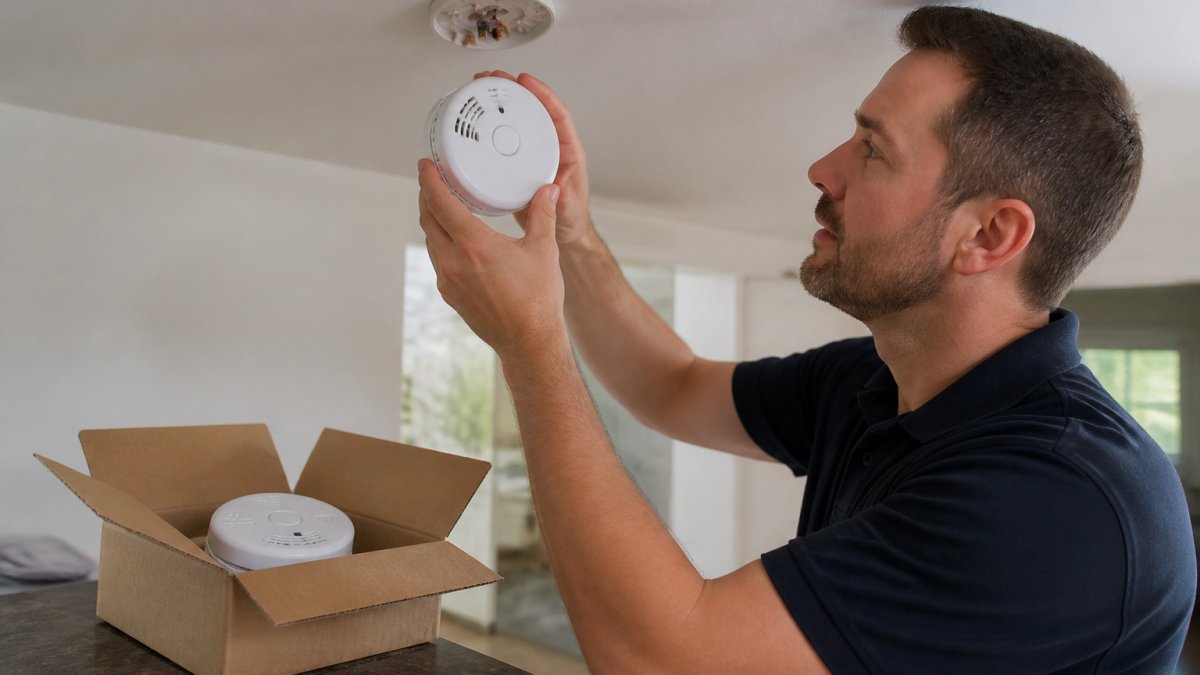
Most landlords can plan to replace CO alarms every 5 to 10 years, but the exact figure depends on the model. A detector fitted in a rental property is a legal safety device, not a smoke alarm you can leave running indefinitely. Below, we explain how often landlords should replace carbon monoxide detectors, how to read the expiry date, and what the rules actually require.
Here is the key point most guides miss. There is no single replacement interval that fits every alarm. A 2011 study on residential carbon monoxide detector failure rates reported that manufacturers advised replacing alarms after 5 to 7 years, yet some homes were still relying on detectors that were 14 or 15 years old. That gap between advice and reality is where risk creeps in.
What the 2011 Detector Study Found About Age and Failure
The same research, published through the National Library of Medicine’s PubMed Central, found that older detectors were still in service well past the age manufacturers recommended replacing them.
Carbon Monoxide Alarm Lifespan: Why 5 to 10 Years Is Not One Number
Carbon monoxide alarm lifespan is the period a detector is designed to work reliably, and it varies by model and sensor type.
How to Read a Carbon Monoxide Alarm Expiry Date
The carbon monoxide alarm expiry date is the date printed on the unit or its packaging after which the manufacturer no longer guarantees it will work. Finding it takes seconds once you know where to look, and it removes all the guesswork from replacement planning.
Where the Date Is Printed and What the End-of-Life Signal Sounds Like
When an alarm nears the end of its life, most models sound a distinct end-of-life signal. It is usually a series of chirps separate from the low-battery beep, often paired with a labelled message on the unit. Watch out: tenants sometimes silence this chirp by removing the battery, which leaves the property with no working detector at all. Log the date and replace the unit before that signal ever starts.
Landlord Carbon Monoxide Alarm Responsibilities Under the Rules
The rules are enforced, and the penalties for missing records are real. Our breakdown of the legal consequences of missing gas safety records sets out what can happen when the paperwork and the devices fall out of step. The practical takeaway: treat alarms and gas checks as one compliance system, not two separate jobs. For the wider duties covering appliances and alarms, see our guide to landlord responsibilities for gas appliance maintenance.
How to Test a Carbon Monoxide Alarm Between Replacements
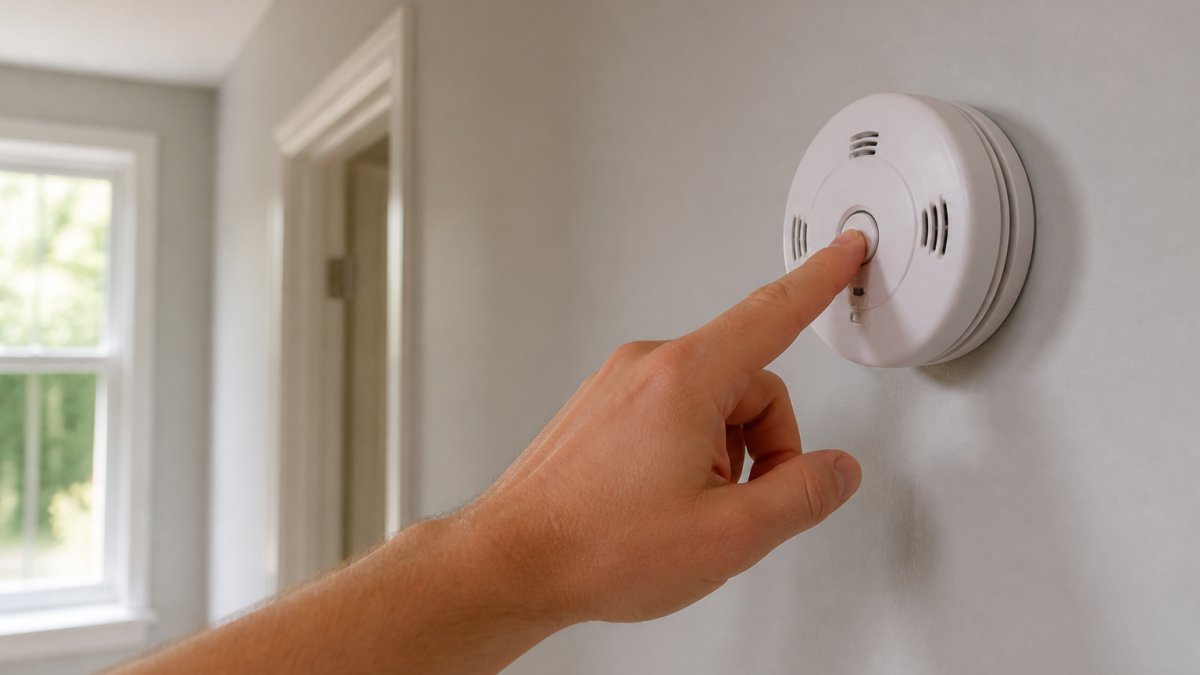
A silent alarm after a button press is a failed alarm. Replace it, do not wait.
A Practical Replacement Timeline for Rental Properties
| Task | How often | Who does it |
|---|---|---|
| Press the test button | Monthly | Tenant or landlord |
| Clean and check vents | Every 6 months | Landlord or engineer |
| Check the expiry date | Every 12 months | Landlord |
| Replace the alarm | By the printed date, or 5 to 10 years | Landlord |
| Gas safety check | Annually | Gas Safe registered engineer |
Booking a Gas Safety Check With a Gas Safe Registered Engineer
When you are ready to act, you can book a boiler service with our Gas Safe registered engineers. We cover installations, servicing and repairs, and we give free quotes so you know where you stand before any work starts.
Frequently Asked Questions
How often should a landlord replace a carbon monoxide alarm?
Follow the manufacturer’s replacement date on the alarm, which is typically 5 to 10 years from manufacture. Kidde gives a 7-to-10-year interval depending on the model, while a 2011 study in the National Library of Medicine’s PubMed Central describes manufacturer advice of 5 to 7 years. Check the specific unit’s instructions and end-of-life signal rather than assuming one universal figure, and replace sooner if the alarm fails its test.
Do carbon monoxide alarms have an expiry date?
Yes. Every alarm has a manufacture date and a replace-by date printed on the casing or the back plate. The sensor degrades over time, so the unit cannot be trusted past that date even if it still beeps when tested. The 2011 study found homes relying on detectors that were 14 or 15 years old, well beyond the 5 to 7 years manufacturers advised at the time. Note the date when you fit a new alarm and diarise the replacement.
Should a carbon monoxide alarm be replaced when a tenant moves out?
Not automatically, but the changeover is the right moment to check. Test the alarm, confirm the expiry date has not passed, and record the result. If the unit is near or past its replacement date, fit a new one before the next tenancy starts. This keeps your landlord carbon monoxide alarm responsibilities up to date and gives you a written record if a dispute arises later.
What should a landlord do if a carbon monoxide alarm stops working?
Replace it rather than trying to repair it. First move occupants to fresh air and call the gas emergency line if anyone has symptoms or you suspect a leak. Then arrange a Gas Safe registered engineer to inspect the appliance and flue before refitting a new alarm. Keep the receipt and the fitting date on file as evidence of compliance.
Carbon monoxide safety only works when the alarm and the appliance are both maintained. If your detectors are near their expiry date, or you cannot remember the last gas safety check, do not leave it to chance. Major Heat provides Gas Safe registered engineers, expert boiler servicing and repairs, and free quotes with transparent pricing. Get started with Major Heat and keep every rental property safe and compliant.
